Car review
Hyundai Creta review: the SUV that India buys when it stops arguing
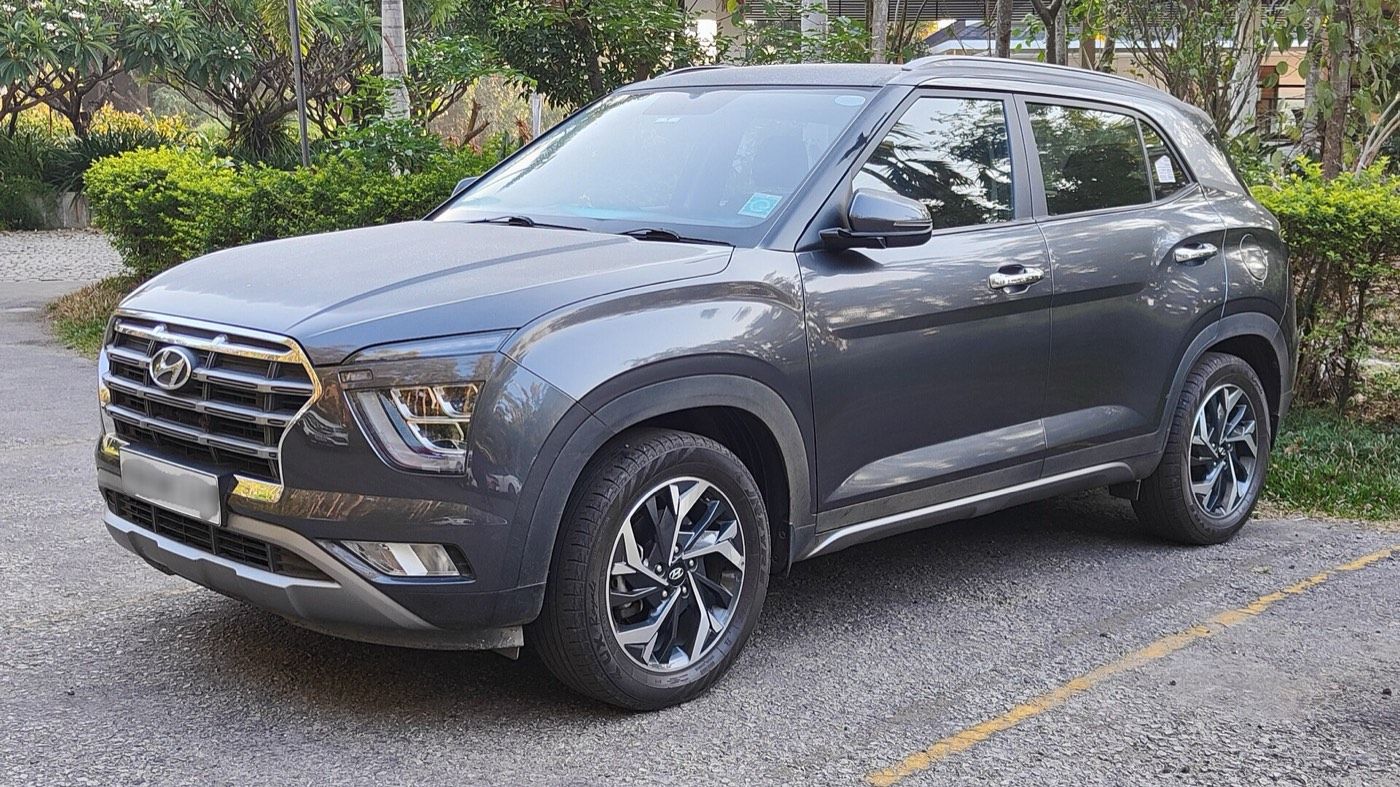
The 1.5-litre petrol with the IVT automatic is the Creta most families actually take delivery of. Read against the specification and the price ladder, it is easy to see why — and equally easy to see where Hyundai stopped trying.
- Hyundai Creta ₹10.91L
MotoSutra editorial rating
4.1/5
Verdict
The Creta is the correct choice for a family that wants the least-friction car it can buy at this money, and it is the wrong choice for a buyer who reads the specification sheet for thrills. Take the SX(O) at ₹15.90 lakh, decline the top trim’s extras, and the value argument finally lands.
MotoSutra has not physically tested this vehicle. This review is research-based editorial analysis of the documented specification and published material; the score is a MotoSutra editorial rating. Read how we review.
There is a particular kind of car purchase in India where the buyer arrives after six months of arguments — between spouses, between WhatsApp groups, between the person who wants the bigger boot and the person who wants the better crash score — and the Creta is where those arguments usually stop. Not because it wins on any single line, but because it loses on none of them loudly enough to matter. MotoSutra has not driven the SX(O) IVT; what follows tests whether that evenness is a virtue or an evasion by reading the documented specification.
The city, which the IVT was built for
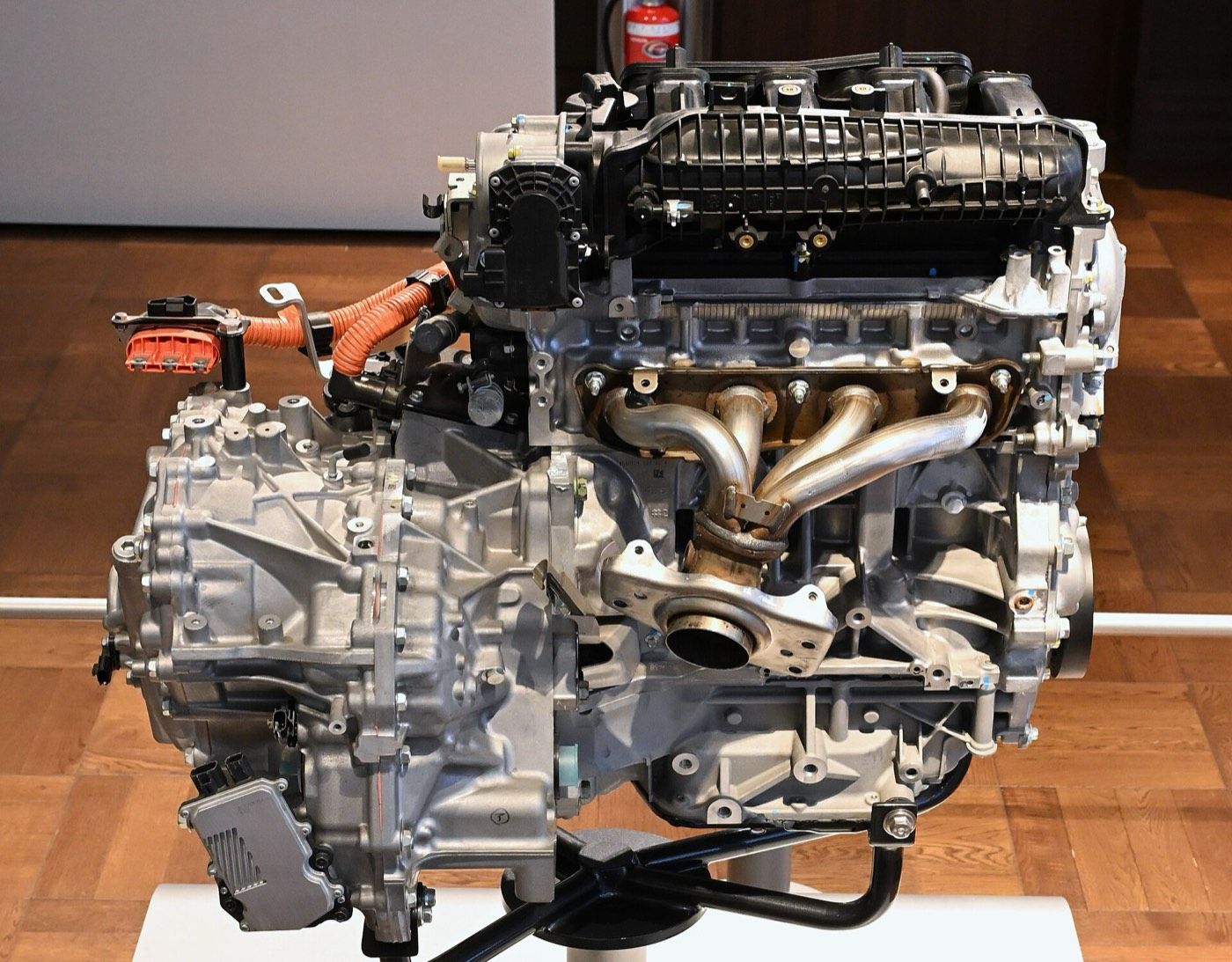
The 1,497cc four makes 113 bhp at 6,300 rpm and 144 Nm at 4,500 rpm, which is a torque curve with no interesting shape. Paired with Hyundai’s continuously variable automatic, the effect in traffic is seamless: no shift to feel, no hesitation at a signal, no lurch when you creep forward half a car length and stop again. Where torque-converter automatics in this price band hunt for a gear and dual-clutches shudder at walking pace, the IVT simply is not a subject. One pedal, no drama, and a light accelerator that lets you modulate a tight gap with your toes rather than your arm.
Low-speed refinement should be good on the evidence. The engine is audible only under hard tip-in, and even the noise figure in the release material reads as a dry, unhurried note rather than the stressed four-cylinder bark this engine used to make. The kerb mass and the glazing spec suggest something quieter than several cars a segment above; MotoSutra has not put a sound meter in this cabin, and no number here should be read as one.
Steering is the other quiet success. It is light at parking speed and gains weight progressively with velocity, and the rack is accurate enough that you place the front corners without thought. The turning circle is tight for the footprint, helped by the 2,610 mm wheelbase being packaged inside a 4,300 mm body.
Highway: a comfortable place to be, at a governed pace
At 100-110 km/h the ratio list and the noise documentation say a settled, quiet car. The seats are wide, the cushion length adequate, so the geometry says a 400 km day should end without a back ache, and the second row has the kind of knee room that separates a family car from a large one. The 433-litre boot takes a week’s shopping plus two cabin bags with the parcel shelf in place.
The Creta does not ask to be driven fast. It asks to be driven politely, and it rewards that with a kind of calm that costs more to engineer than it looks.
Beyond 110 km/h, the car stops being interesting. There is no turbo to call on: 144 Nm is the entire story, and the IVT’s tendency to hold revs means the engine will be loud before it is quick. A fully loaded overtake on a two-lane highway at 90 km/h looks from the numbers like it demands that you select a lower gear manually — the box has a mode for that — commit, and accept that the gap you are aiming for has to be generous. Nothing in the documentation suggests the car would feel unsafe on such a run; the honest expectation is that it would often feel late, and that is a different criticism.
Brake feel is the other thing to mention honestly. The front ventilated disc and rear drum combination stops the car in a straight line with plenty of pedal travel and average feedback, and the ABS modulation is coarse enough that you feel it working on a panicky stop rather than not noticing it.
Refinement and NVH
Body noise should be low. Over expansion joints the front is specified to suspend cleanly and the rear not to crash; the torsion-beam axle is the kind of layout that reports one sharp knock over a badly laid manhole when the boot is empty. On coarse chip seal, the 215/60 R17 tyres are the likely source of a steady hum into the cabin that grows above 100 km/h. What is absent from the current generation is the buzzy panel resonance that used to be a Creta complaint: tailgate and door trim trim levels have been reworked since, even if how long they stay silent at 6,000 km on the clock is a question for a long-term owner rather than this review.
Efficiency: 17 kmpl is a number for a different country
The claimed figure is 17 kmpl. MotoSutra’s estimates for the same car: about 11-12 kmpl average across mixed driving, with 10-12 kmpl in genuinely heavy traffic, 14-15 kmpl at a 100-110 km/h expressway cruise, and a best-case near 15-16 kmpl on a mostly-open run with the cruise control set at 90. Those bands are what to plan a fuel budget around: on the low end of the city estimate, ₹95 a litre puts this car near ₹8.30 a kilometre.
The IVT is not the problem — it holds the engine at its efficient rpm in the way only a variable transmission can. The problem is 1,300-plus kilograms of car with 113 bhp and no forced induction. A diesel or a turbo-petrol would return better on a highway, and neither is on this particular options list.
The cabin and the equipment list
This is where the Creta earns its sales figures. The SX(O) IVT carries two 10.25-inch screens — driver display and infotainment — and both are bright, quick and legible in direct sun. The 360-degree camera is genuinely useful in a car of this width. Ventilated front seats are the equipment Indian buyers should refuse to negotiate away, and the air-purification system, four-tier climate control and ambient lighting are all fitted with the kind of switchgear logic that means nobody in the family has to read a manual. Bose audio is adequate rather than engaging; the wireless charger cooks a phone in a closed car in May.
The materials are soft where hands rest and hard where they do not, which is the correct prioritisation, and the fit-out quality is a clear step ahead of the Tata alternatives. What is missing is character: nothing about sitting in a Creta makes you feel you have bought something interesting.
Safety: the number rivals will quote at you
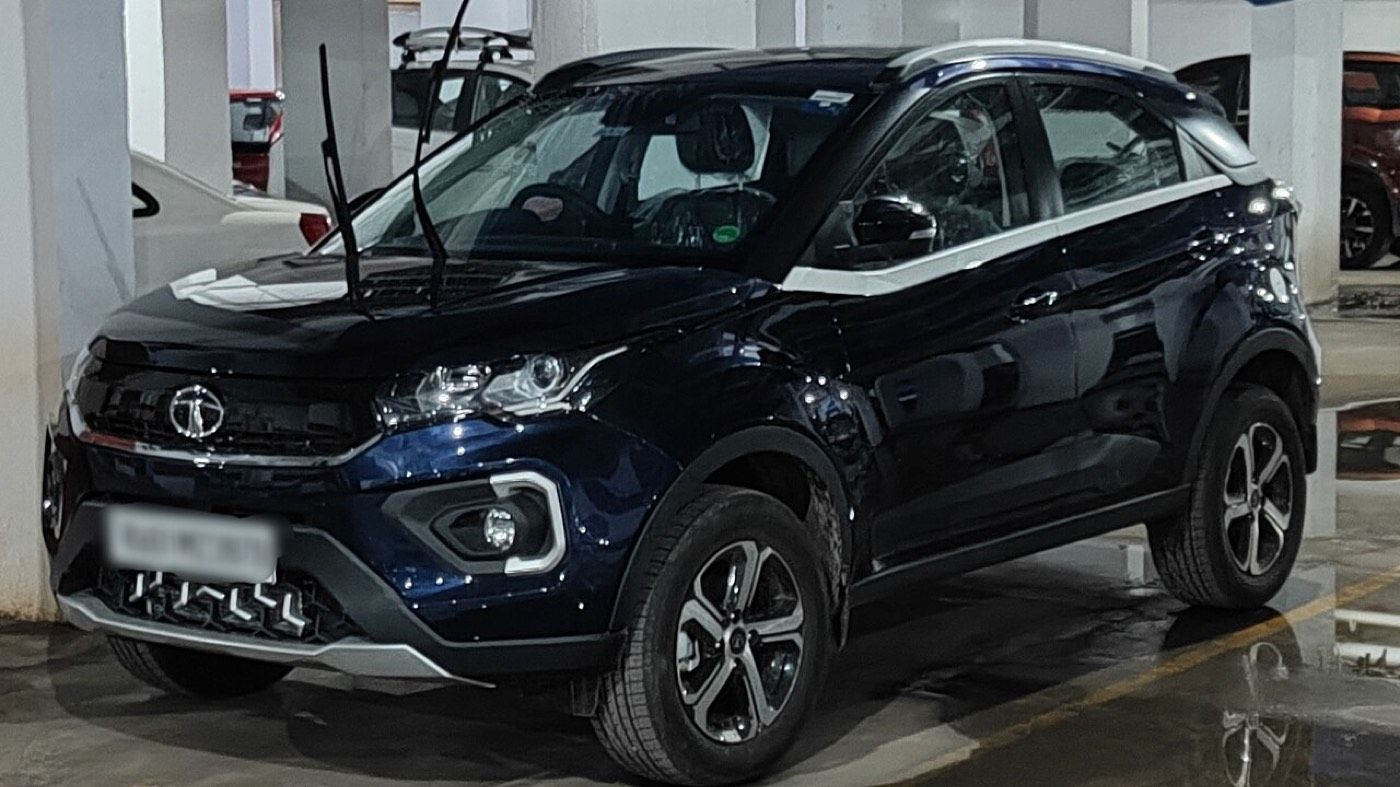
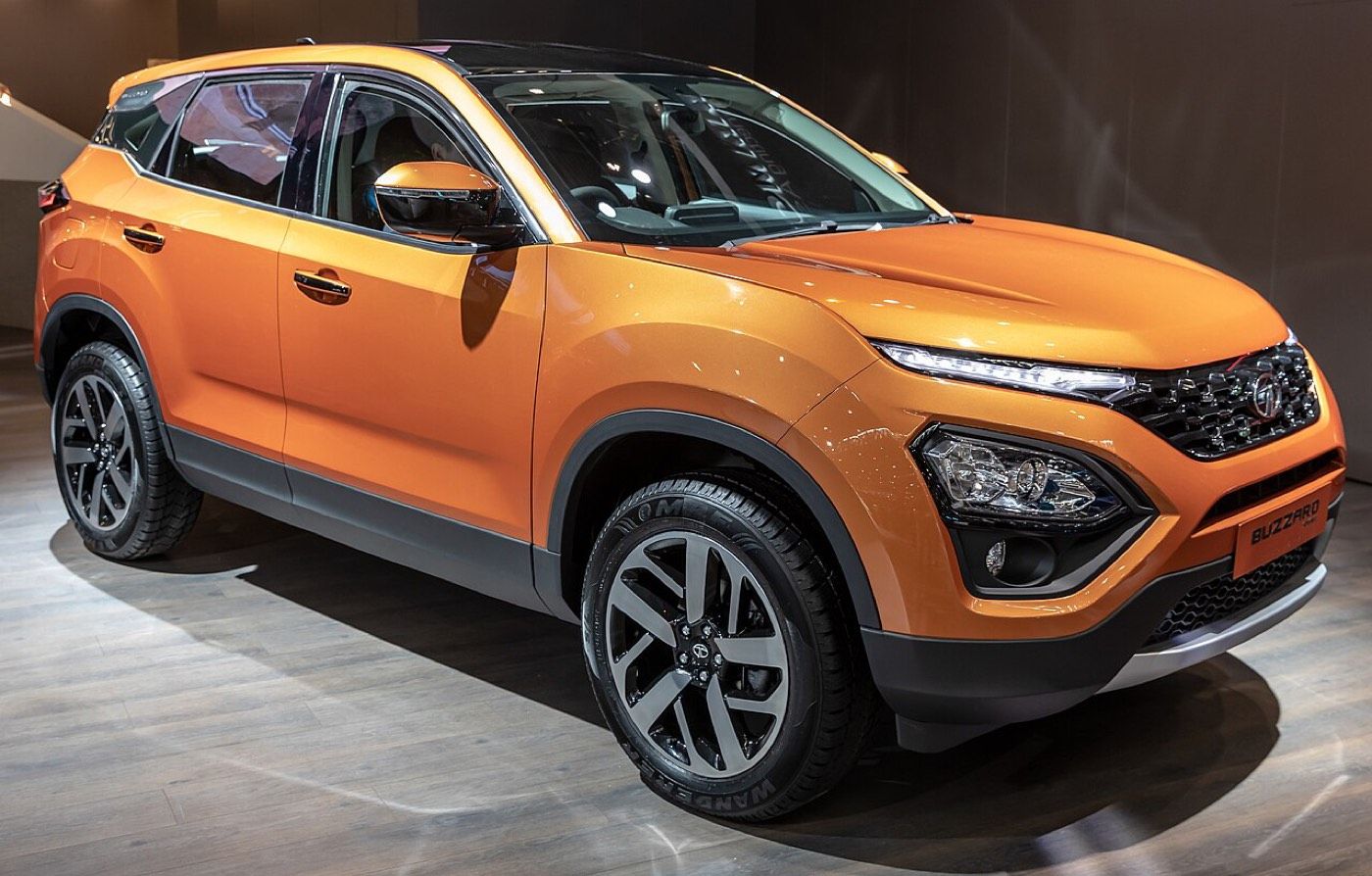
Six airbags, electronic stability control, tyre-pressure monitoring and vehicle-to-all connectivity appear on the upper trims, and the hardware is good. But the structure carries a three-star Global NCAP adult score, and that is the fact a Tata showroom will hold up beside your quotation, because the Nexon and the Punch both carry five. Hyundai’s answer — that the Creta’s test protocol predates the current regime — is defensible engineering and useless marketing. If your household ranks crash protection first, this is the Creta’s weakest paragraph, and you should shop the segment before you settle.
Running it
Hyundai’s schedule asks for service every 10,000 km or one year, and typical outlet quotations for the normal oil-and-filter job on this engine land in the ₹6,000-7,500 band, against the low thousands for a Swift. The first three services are covered under the standard warranty. Consumables are cheap and available: a front disc pad set is a few thousand rupees and a windscreen replacement is the only item that will shock you on an insurance claim. Resale is strong, though the segment is high-volume enough that used supply never gets scarce.
Who should buy it, and who should not
Buy the Creta if you want one car for school runs, office commutes and a 500 km holiday once a quarter, and if the automatic is a need rather than a luxury. It is the easiest life in the segment for the person who actually drives it.
Look elsewhere if you do a lot of high-speed highway work with four adults on board — the engine will not keep up with your intentions. And look elsewhere if safety is the first filter rather than the last: at this price the five-star options exist, and one of them is in this catalogue.
Pros and cons
What we like
- The IVT automatic removes all work from city driving, and it is calibrated better than any torque converter at this money
- A cabin laid out with the logic of a far more expensive car: wide seats, switchgear where hands expect it, no learning curve
- 433 litres of boot from a 4,300 mm body, which is why three adults and a child seat fit without a tetris problem
- Hyundai’s service reach means ownership rarely produces a surprise beyond routine maintenance
What we would change
- The 113 bhp naturally aspirated petrol has no shove; a fully loaded overtake at 90 km/h needs planning and road
- Six airbags arrive on the upper trims, and the structure still carries a three-star Global NCAP adult score
- The ₹17.20 lakh SX(O) IVT asks you to pay for a car that cannot perform in proportion to its price
Frequently asked questions
What mileage can the Creta be expected to give?
MotoSutra estimates 10-12 kmpl in heavy city traffic and 14-15 kmpl on an expressway at 100-110 km/h, for a mixed-use band around 11-12 kmpl. The claimed figure is 17 kmpl; these are banded research estimates, not measurements.
Is the Creta petrol automatic good on the highway?
It is comfortable and quiet to about 100 km/h, but the naturally aspirated engine has no turbo to lean on, so overtaking from 90 km/h needs a manual downshift and a clear view of the road ahead.
Which Creta variant makes the most sense?
The SX(O) at ₹15.90 lakh carries the six airbags, the ventilated seats and the 360-degree camera. The IVT automatic costs ₹1.30 lakh more and is worth every rupee of it in traffic.