Scooter comparison
Activa 6G vs Jupiter 125: the default and the upgrade, ₹2,000 apart
India’s best-selling scooter against the 125 that was designed to catch everyone who outgrows it. The price gap is smaller than the tank-size cliché suggests, and so is the decision once you know who rides pillion.
- Honda Activa 6G ₹76K
- TVS Jupiter 125 ₹78K
Head to head
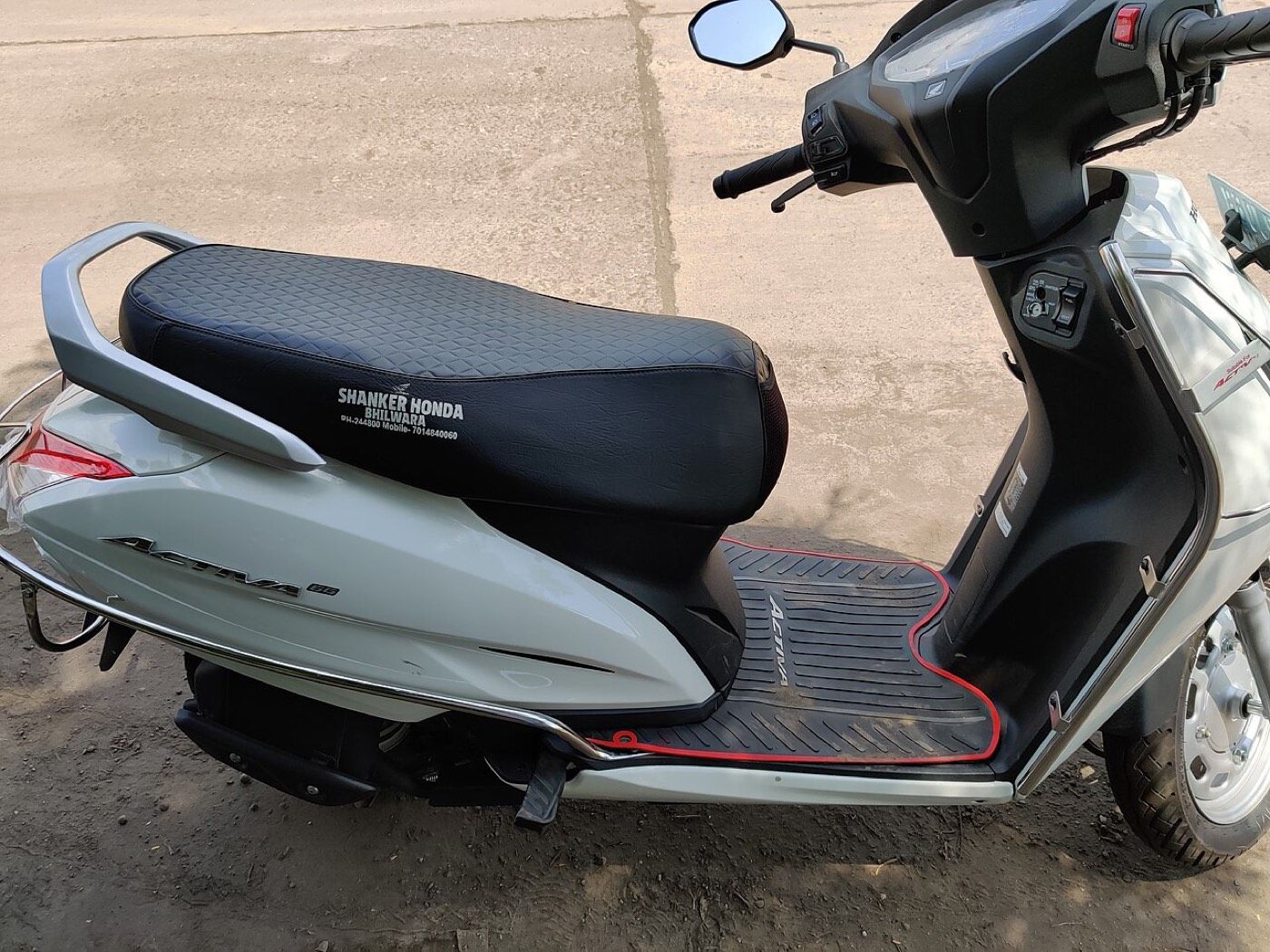
- Price Honda Activa 6G ₹76,000-83,000 against ₹78,000-87,000 ex-showroom Delhi NCR. Two thousand rupees at entry, four at the top — the 125 premium is smaller than its reputation.
- Claimed mileage Honda Activa 6G 60 kmpl from a 5.3-litre tank against 55. MotoSutra estimates the ordering holds in the city too: 45-50 kmpl for the Honda, 44-50 for the TVS.
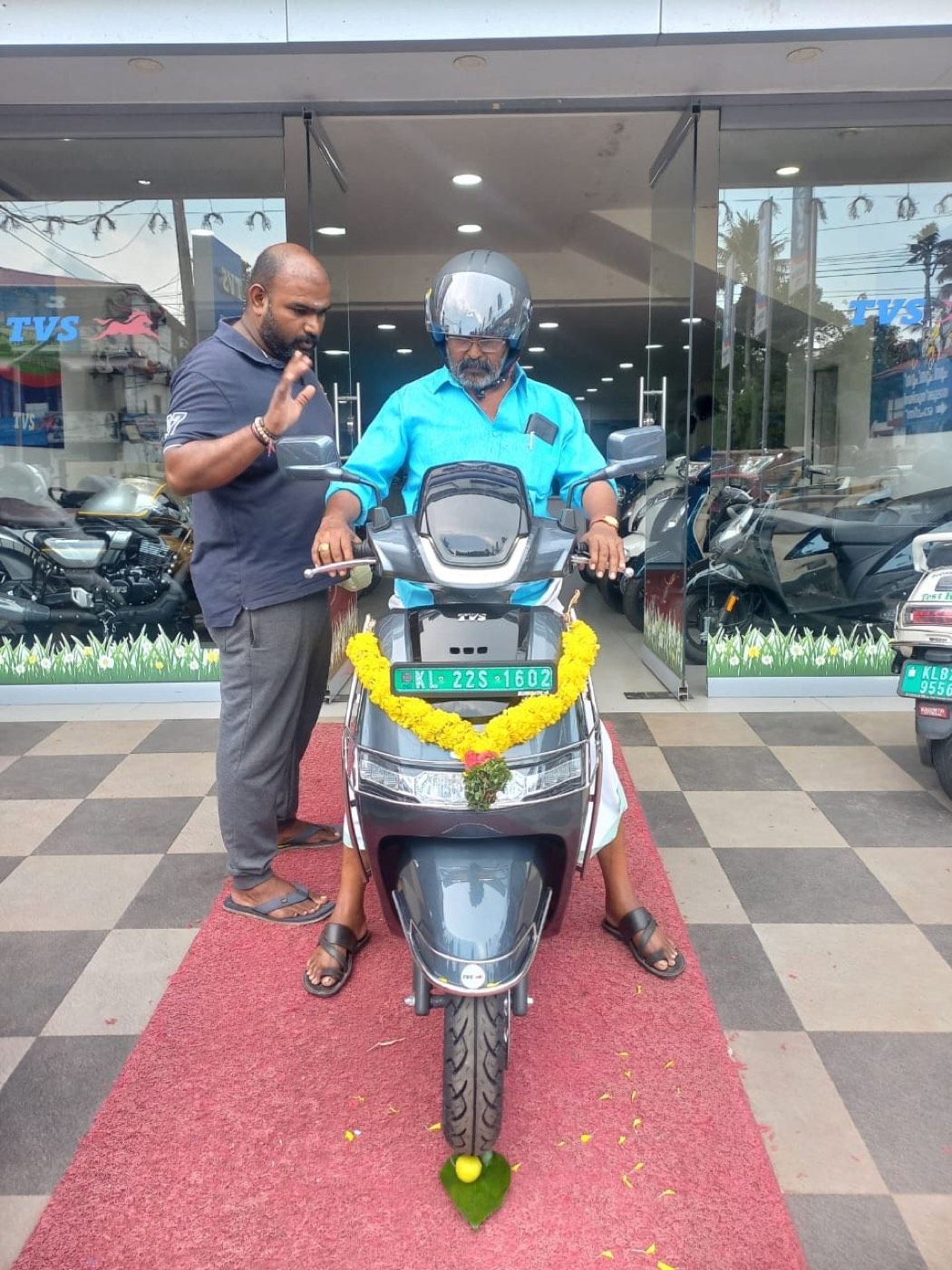
- Pull and pillion ability TVS Jupiter 125 10.8 Nm from 4,000 rpm against 8.9 Nm from 5,250. The Jupiter carries a passenger out of a signal without working the CVT; the Activa needs the road first.
- Kerb weight Honda Activa 6G 107 kg against 108 — a rounding error on paper, and still the lightest scooter in this catalogue to turn around at a standstill.
- Braking and safety TVS Jupiter 125 A front disc with single-channel ABS on the Jupiter Disc variant; the Activa’s sensible floor is the DLX at ₹83,000 with its 130 mm front disc, and below that it is drums with combined braking.
- Equipment TVS Jupiter 125 SmartXonnect navigation mirroring, call alerts and vehicle tracking under ₹90,000. The Honda’s console tells you the speed and whether the idling stop is awake.
- Resale and running cost Honda Activa 6G This catalogue rates the Activa’s resale as the segment benchmark, and its routine service among the cheapest sold, with fixed-price maintenance packs capping the first three years.
| Specification | Honda Activa 6G ₹76K | TVS Jupiter 125 ₹78K |
|---|---|---|
| Ex-showroom price | ₹76K | ₹78K |
| Engine | 110 cc | 125 cc |
| Power | 7.8 bhp | 8.1 bhp |
| Torque | 8.9 Nm | 10.8 Nm |
| Mileage | 60 kmpl | 55 kmpl |
| Top speed | 85 kmph | 88 kmph |
| Gearbox | cvt | cvt |
| Kerb weight | 107 kg | 108 kg |
| Seating | 2 | 2 |
| Safety | Combined braking system and a side-stand cut-off; no official crash rating for this segment | Single-channel ABS and a 220 mm front disc on the disc variant; no crash-test rating |
| Body type | Commuter | Family scooter |
| Status | available | available |
| Categories won | Honda Activa 6G wins 3 of 12 | TVS Jupiter 125 wins 4 of 12 |
Only specifications present in both records are listed. figures without a named source document are unverified motosutra catalogue estimates, not official specifications. confirm current numbers with the manufacturer.
The Activa and the Jupiter have been India’s default scooter argument for years, and the 6G and the 125 have conducted it almost entirely by spec sheet: Honda refining the ownership case, TVS assembling the capability case, and a price gap between the two ranges that in this listing has collapsed to the width of a helmet visor. The interesting question is no longer which is the better scooter but which is the better scooter for your household — and that one the numbers actually answer.
The engines: refinement against reserve
The Activa’s 110cc single is the more civilised of the two on paper, and MotoSutra has ridden neither scooter, so this section reads the documented specification rather than a test log. Honda’s material describes a reworked CVT with the off-line shudder largely engineered out, a linear throttle map that a clutch-naive rider should find competent within a week, and an idling-stop system that recovers fuel at every signal, restarting through the near-silent ACG starter. Its 7.8 bhp and 8.9 Nm arrive from 5,250 rpm, which in the ratio list means the scooter is doing its best work below 50 km/h and asking permission above 70, where passing needs a clear view rather than a twist.
The Jupiter’s 124.8cc unit is the answer to that permission slip. 10.8 Nm from 4,000 rpm means it should pull away from a signals standstill with a passenger aboard without the transmission being worked, and the gearing holds 80 km/h with reserve the smaller scooters cannot offer, up to a documented ceiling around 85-88 where it stops pretending. The trade is refinement at the very bottom of the rev range and a claimed 55 kmpl against the Honda’s 60 — MotoSutra puts the realistic city difference at a litre or so over a fortnight of riding, which is the most anyone can honestly say the extra capacity costs.
Living with each: seat, storage, street
Everything about the Activa’s dimensions serves the solo city rider: the 769 mm saddle is the lowest here, the 1,259 mm wheelbase and light steering take a kerbside U-turn without a manoeuvre, and at 107 kg it is this catalogue’s easiest scooter to put a foot under after a tip-over. Its under-seat storage takes an open-face helmet and negotiates nothing larger, which is the daily answer to the storage question and the reason most Activa owners buy a top box in month two anyway.
The Jupiter is built around the same courtesy extended to a second person: the 790 mm saddle is longer and flatter with a proper grab rail, the 163 mm of ground clearance matches the Honda’s exactly, and the longer wheelbase is the steadiest front end among the petrol scooters here on paper, with a passenger aboard. Whether the soft rear shock sinks with weight on it and floats over sharp ridges at speed is the one chassis question this listing can only pose, not answer — test-rides settle it — but the five-position preload at least lets an owner dial the sag for how the scooter is actually used, which is the family-owner’s entire argument against the Activa’s simpler set-up.
Equipment, brakes and the money question
The consoles are from different decades. The Jupiter’s SmartXonnect cluster mirrors turn-by-turn navigation, shows call alerts and reports vehicle health to a phone; the Activa’s tells you the speed, the fuel, and whether the idling stop has gone to sleep. Neither is wrong — one owner’s gadget is another’s distraction — but at ₹87,000 for the top Jupiter against ₹83,000 for the top Activa, the TVS is selling visibly more specification for the same money.
The brake list is the same story with higher stakes. The base Activa runs drums at both ends with a combined system; the front disc only arrives on the DLX at ₹83,000. The Jupiter Disc at ₹83,000 carries a front disc and single-channel ABS. At the identical rupee, the sensible version of each scooter, the Honda asks you to accept its 110cc and its console in exchange for the idling stop, the lighter body and the resale engine — this catalogue rates the Activa’s retained value as the segment benchmark and its fixed-price service packs as the cheapest three years of ownership of any scooter listed.
The decision, sized to the household
One rider, a city, a budget, and a plan to sell in five years: buy the Activa 6G DLX. It is the cheaper scooter over its whole life in this listing, the easier one to live at low speed, and the one the used market will forgive.
Two adults, an expressway stretch, or a family that hands the scooter to whoever needs it: buy the Jupiter 125 Disc and skip the top trim unless navigation will actually be used. The 10.8 Nm, the longer saddle and the ABS are worth considerably more than the ₹2,000-4,000 the ranges differ by at the trims you should be comparing.
The cliché says the Activa is bought rather than chosen. In 2026, with the Jupiter priced this close, that is no longer an insult — it is simply the one remaining reason not to do the arithmetic first.
The two models
Frequently asked questions
Should I buy the Activa 6G or the Jupiter 125?
If the rider is mostly one person in a city, the Activa 6G — it is cheaper to buy and fuel, easier at low speed, and holds value better. If a second adult rides more than once a week, or the commute touches an expressway, the Jupiter 125 is the more capable scooter for a difference of a few thousand rupees.
What is the real-world mileage of each?
Claims are 60 kmpl for the Activa and 55 for the Jupiter. MotoSutra estimates 45-50 kmpl for the Honda and 44-50 for the TVS in city traffic, with both reaching the low 50s on a steady open road — the 125 doing more work for a similar visit to the pump.
Which variant should I actually buy?
From the Activa range, the DLX at ₹83,000 is the only one with the front disc and LED lighting, and it is the version worth comparing at all. From the Jupiter, the Disc variant at ₹83,000 adds the front disc, single-channel ABS and LED lamp for ₹5,000, and is this listing’s recommended floor for a family scooter.
Is the Jupiter 125 good for long rides?
For a 125 commuter, yes: the 1,321 mm wheelbase is the steadiest front end among the petrol scooters here and the torque holds 80 km/h with reserve. Above about 85 km/h it is at its ceiling rather than cruising, and the soft rear shock needs the preload wound for a passenger.