Car review
Honda City review: the best place in India to spend six hours, graded down by its own cage
A research review of the City ZX CVT with Sensing against a six-hour-a-week sedan life. The rear seat converts skeptics, the hybrid answers the fuel question, and the three-star crash score starts a fight you finish losing.
- Honda City ₹11.79L
MotoSutra editorial rating
4.2/5
Verdict
The City is the last sedan in India that still enjoys being driven, and this generation’s real triumph is that the enjoyment is no longer selfish — the rear seat and the 506-litre boot end the family argument, and the e:HEV ends the fuel one. What Honda has not fixed is the cage: a three-star score in an era when five stars cost ₹6.19 lakh means the sensible City is the Sensing trim, and at ₹17.50 lakh the sensible City is no longer a cheap car. Buy it for the drive and the seat; insure it for the stars.
MotoSutra has not physically tested this vehicle. This review is research-based editorial analysis of the documented specification and published material; the score is a MotoSutra editorial rating. Read how we review.
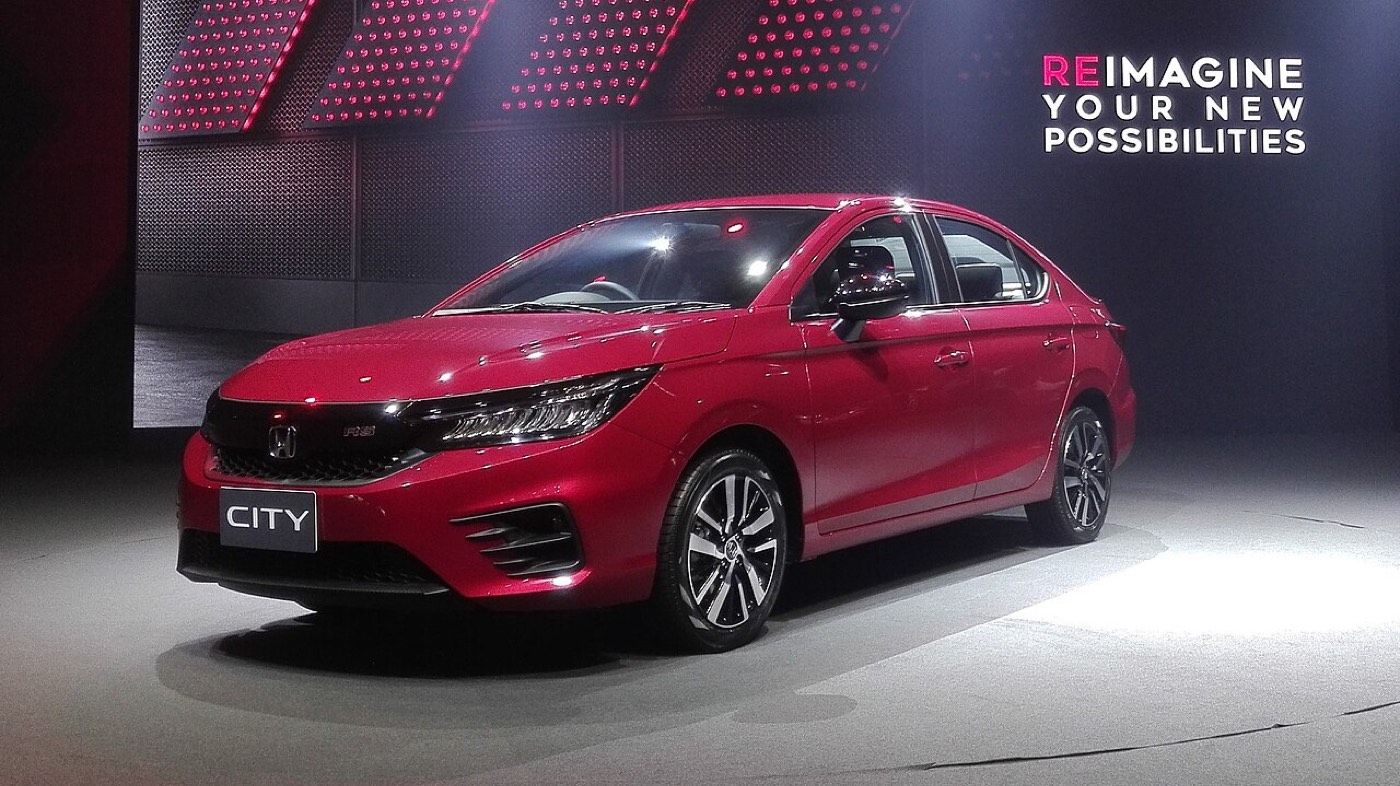
The Honda City has spent two decades as the car you buy when the alternative mid-size sedans are appliances, and for most of that period the enthusiast argument came with a tax: the driver got the good seat and the family got the upright bench and the stingy boot. This generation quietly abolished the tax. A ZX CVT with Sensing spec’d for a Delhi commute and a 700 km weekend — MotoSutra has not driven one, and what follows is a research-based reading of the documented specification — makes the City’s old problem look solved. Its problem is now a number printed three rows below the crash-test table.
The internal combustion argument, still alive
The 1,498cc four makes 121 bhp at a how-it-earns-it 6,200 rpm and 145 Nm at 4,300, and Honda’s bet is that a willing engine beats a big one. On the ratio list the bet pays: the power peak sits high but the curve climbs linearly toward it, the gate looks clean enough to use for pleasure, and at a kerb weight of 1,155 kg the City should be quick in the ways that matter at legal speeds — off the line, through the 40-80 band, up a ghat in third without the engine ever sounding surprised. On paper it is the most engaging car in its segment, and the specification has read that way for a long time.
The CVT is the softer half of the story. The familiar rubber-band drone under hard acceleration is still implied by the transmission type — the claimed 180 km/h top speed reads as reached with dignity rather than urgency — and against the dual-clutch automatics elsewhere in the market it should feel deliberative rather than quick. Honda’s answer in this listing is the e:HEV at ₹20.20 lakh, and the architecture is a better answer than expected: the petrol engine mostly generates, the electric motor mostly drives, so the hybrid leaves signals with the motor’s instant shove in near-silence, and the CVT’s weakness — revs rising ahead of the car — is largely engineered out.
Comfort and the rear-seat referendum
The City’s rear bench is the segment’s benchmark and the phrase “class-leading legroom” earns its keep here: the seat base is long, the backrest reclined properly, and the floor nearly flat, so the dimensions say two adults should arrive at kilometre six hundred arguing about music rather than about knees. The 506-litre boot — second only to the Virtus’s 521 among the cars listed here — means the sedan arithmetic never came out of the family’s luggage budget.
The front looks just as considered: supportive, well-climatized, with a driving position that finally has reach adjustment. The suspension, though, is a two-sided bargain on paper. The tuning reads compliant and quiet on good tarmac in a way that makes the City feel dearer than it is. On badly built roads a twist-beam rear axle is the kind of setup that reports transverse joins with a jolt that travels up the spine of whoever is behind you — the trade a lower, firmer car makes against the tall crossovers, and the honest source of this review’s comfort score; how severe the trade is on a given road is a question a test drive settles and a spec sheet does not. And at 165 mm of ground clearance, the City is the lowest car in this set; speed-breaker technique is part of ownership, and a ramp with a hump at its crest is the machine’s personal nemesis.
The City is the rare review where the best thing about the car — how it should make long distances feel — and the worst thing about it — how it would feel at 80 km/h into a deformable barrier — appear in the same paragraph of your head every time you shortlist it.
Features: good sense, slow ladder
Inside, the ZX cabin is a nicely-furnished office rather than a concept car: 9-inch touchscreen with quick response, a digital instrument display that is legible if not luxurious, leather-appointed seats, wireless charging, and a sunroof that the passengers treat as the feature and the driver as a fact. Equipment distribution follows safety distribution here, which is the complaint: six airbags arrive from the mid trims in this listing, and Honda Sensing — adaptive cruise, lane keeping, automatic emergency braking — appears at ₹17.50 lakh and above. The base V MT at ₹11.79 lakh carries six airbags per this record but is otherwise an older, thinner car than its badge implies.
Mileage and the hybrid’s honest case
The petrol sits in MotoSutra’s estimated 12-13 kmpl city band against the claimed 18, and toward the low expressway teens at cruise. The e:HEV is the variant that changes the ownership ledger: in traffic, where the motor does the creep and the stop-start that consume a conventional car’s fuel, its operating logic points at or past the claimed figure, and it does so in near-silence. The hybrid’s case is arithmetic plus refinement — high city kilometres, long ownership — not environmentalism, and at ₹20.20 lakh it is pitched where the market’s SUVs get cheaper per feature.
Safety: the column the electronics cannot fully carry
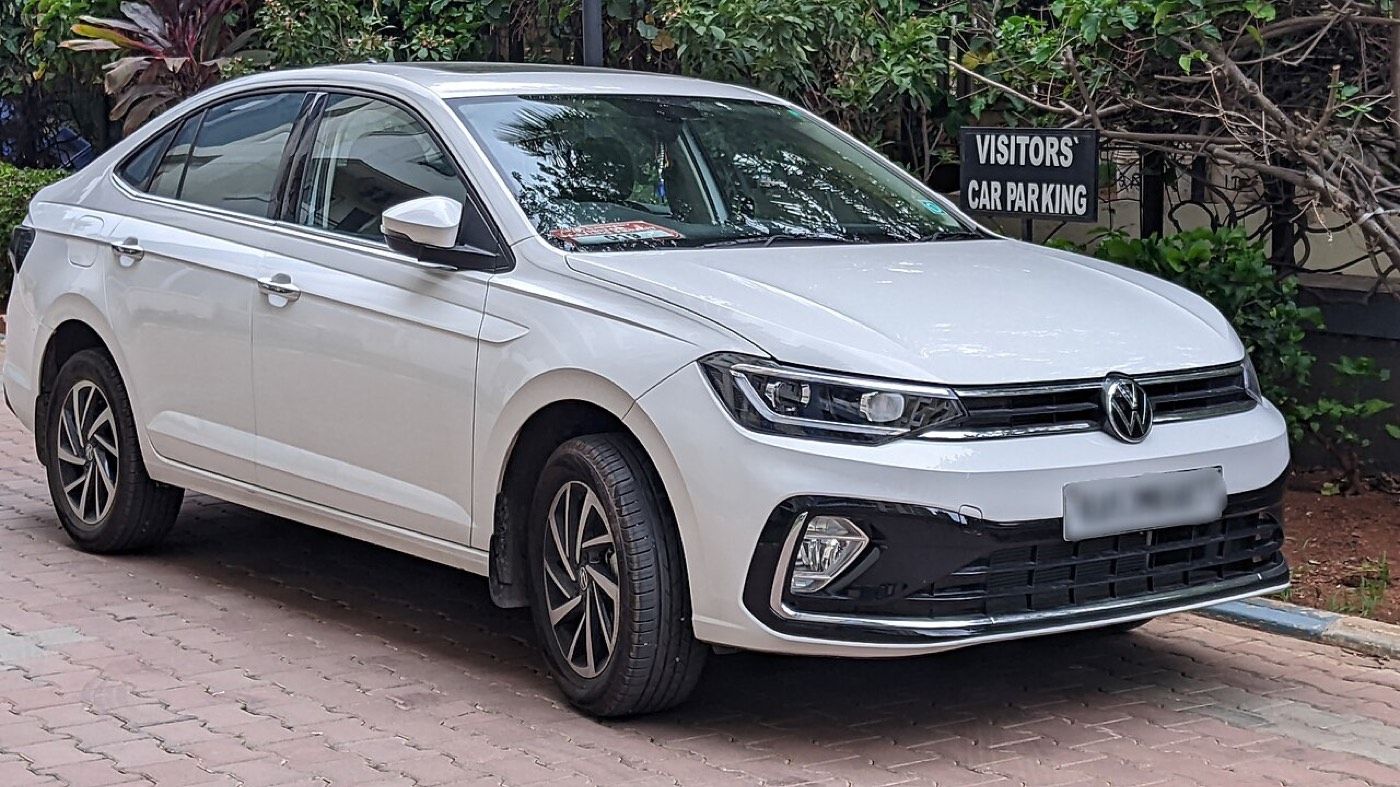
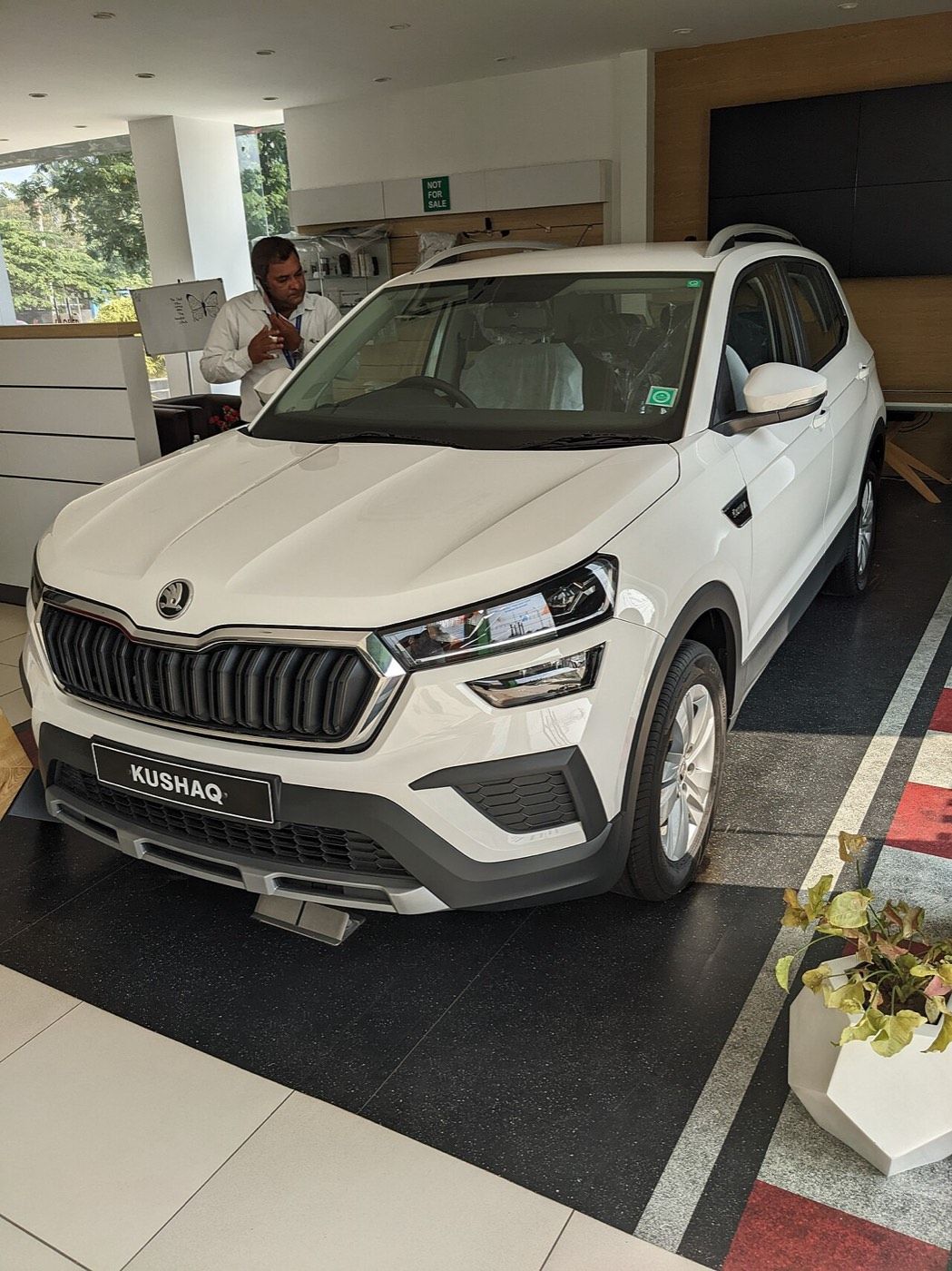
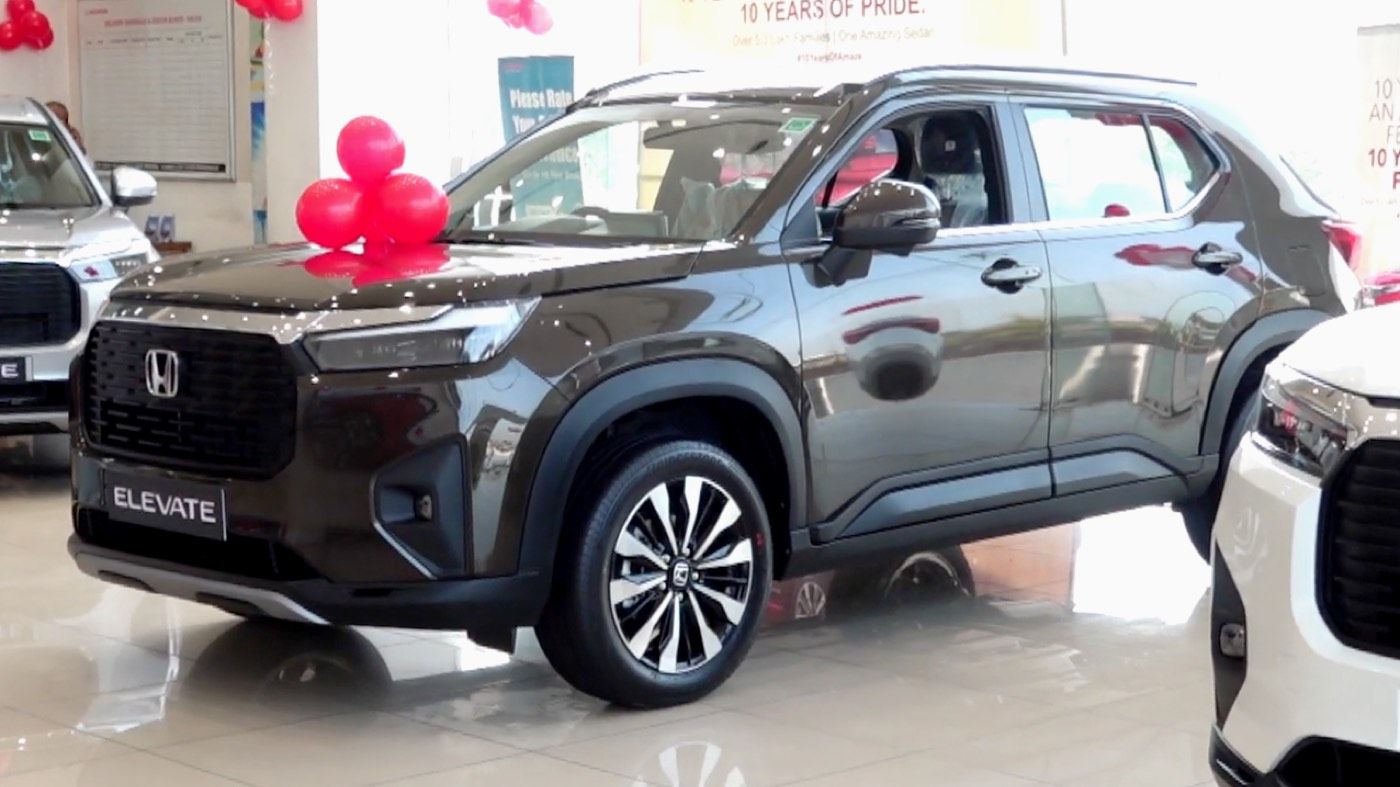
Six airbags and stability control are good news; a three-star adult crash score is not, and this catalogue is honest about the gap between the two facts. In 2026, the Altroz carries five stars at ₹6.19 lakh, the Kushaq and Virtus carry five at City-money, and the Elevate from Honda’s own showroom carries five with Sensing standard. The Sensing suite narrows the risk of the crash; it cannot renegotiate the cage for the one that happens anyway. The rational conclusion is that no City below the Sensing trims should be bought by a safety-led household, and even the ZX with Sensing is buying assistance rather than structure.
Verdict
The City remains the best mid-size sedan bargain in the country for anyone whose definition of value includes how a car feels at hour five, and the e:HEV is finally the city-economy answer the petrol always wished it had. Its grade is capped by its structure, and buyers should decide with open eyes whether a three-star score is offset by the two things that make this car singular: the drive and the seat. The ZX CVT with Sensing is the correct City. The correct City is not cheap, and that sentence is the review.
Who should buy it
Sedan loyalists with real long-distance mileage, families whose grandparents and children both vote on rear-seat comfort, and high-city-kilometre buyers for whom the e:HEV’s traffic economy is a monthly statement rather than a brochure line. Who should not: safety-maximalists — the five-star alternatives in this catalogue will win every argument they bring — and anyone whose approach roads are unimproved, because 165 mm of clearance is a lifestyle constraint.
Pros and cons
What we like
- The 121 bhp 1.5-litre four revs like a bigger engine’s superior and is the most satisfying specification to drive in the segment, manual especially
- Rear-seat room is the segment reference: the wide bench, the legroom, the six-hour arrivals those dimensions are built for
- The 506-litre boot keeps the driver’s-sedan argument from costing the family anything
- The e:HEV hybrid at the top is the rare strong hybrid whose operating logic points clearly past its city-economy claim in traffic
What we would change
- A three-star adult crash score is the listing’s weakest note, and six airbags only arrive from the mid trims
- The suspension is firm in a way that suits back roads and jolts the rear bench over poorly built ones
- The CVT is competent but no longer quicksilver against dual-clutch rivals; the hybrid’s motor-driven shove is the real automatic story
- 165 mm of ground clearance is the lowest number in this review set, and Indian driveways will find it
Frequently asked questions
What mileage can the City be expected to give in real use?
The petrol is listed at a claimed 18 kmpl. MotoSutra’s realistic-use band for the ZX CVT is 12-13 kmpl in mixed Delhi driving, against those claims. The e:HEV should run notably closer to, and on paper can exceed, the claim in traffic, where the electric motor does most of the work.
Is the e:HEV hybrid worth ₹4 lakh over the petrol?
Only against the top petrol, and only for a specific buyer: high annual city distance, no highway obsession, and a plan to keep the car long enough for the fuel savings and the motor-driven refinement to compound. The petrol ZX CVT with Sensing at ₹17.50 lakh is the value answer for most; the ₹20.20 lakh e:HEV is the refinement answer for a few.
How safe is the Honda City?
This is the car’s weak column: a three-star adult score in this listing, with six airbags appearing from the mid trims and Honda Sensing — adaptive cruise, lane keeping, automatic emergency braking — reserved for the upper petrol and hybrid variants. The electronics help you avoid the crash; the structure is behind the Germans and Tatas in it.
Which City variant should I buy?
The ZX CVT with Sensing at ₹17.50 lakh is this review’s pick: every significant safety kit except the cage itself, the sunroof, and the drivetrain most buyers want. The base V MT at ₹11.79 lakh already carries six airbags in this listing, which changes the value maths for budget buyers.